For decades, public transportation has often been positioned as a competitor to motor vehicle travel, with policies and investments structured to encourage a shift from buses, trains and other public transportation options to personal car use. But, the reality is that the United States is much more a local and regional commuter demographic.
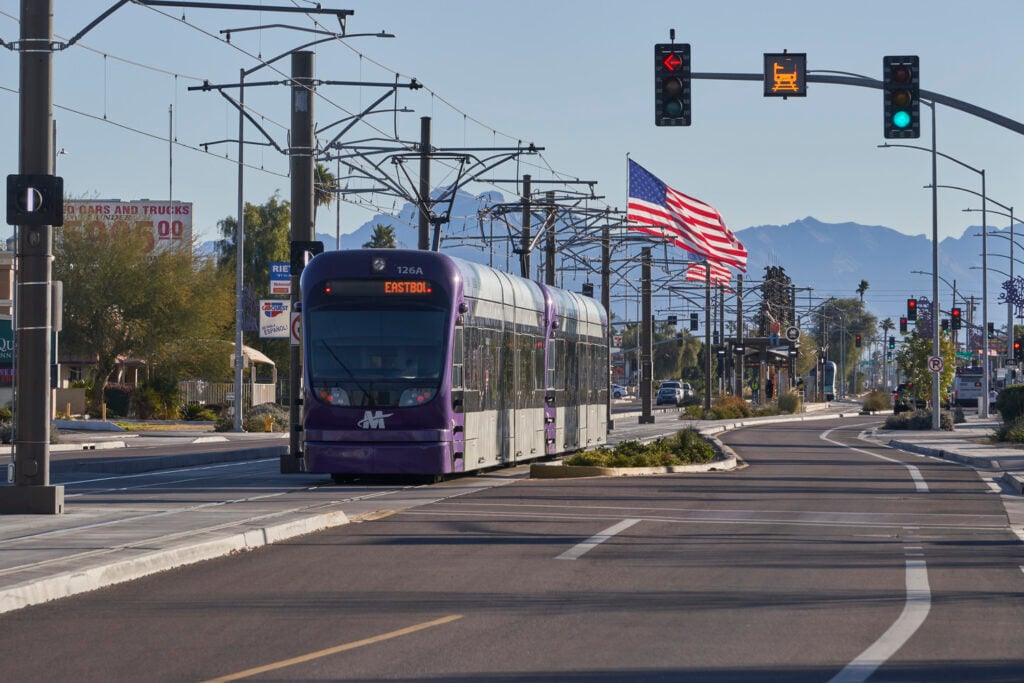
After nearly 30 years of planning, engineering, constructing, operating and maintaining public transportation systems, including working in both the public and private sectors, it’s clear to me that it’s time for a new approach to the way we think about public transportation.
Public transportation complements existing transportation infrastructure and offers multimodal solutions that work in tandem with the local, regional and national roadway system. By strategically integrating public transportation services into high-traffic corridors, suburban areas and urban centers, we can create a seamless system where cars, buses and passenger rail networks work together.
Further, the economic benefits speak for themselves. According to the American Public Transportation Association (APTA) 2020 update of the Economic Impact of Public Transportation Investment, when public transportation is reliable and accessible, private sector investment follows. In fact, investing in public transportation generates nearly 50,000 local job opportunities per $1B of investment in design, construction, operations and maintenance of public transportation services.
Why a Commuter-Centric Model Makes Sense
As suburban areas now house 55% of Americans, traditional public transportation models centered on urban cores no longer reflect modern commuting patterns. A commuter-centric approach is essential to address peak-hour congestion and evolving work schedules.
By focusing on connecting residential suburbs to major job centers, we can align public transportation with current needs. Strategies include transit-oriented developments, park-and-ride options with express services, and flexible on-demand transit. Additionally, bridging first-mile/last-mile gaps through shorter fixed routes can make public transportation more accessible and integrated into daily suburban life.
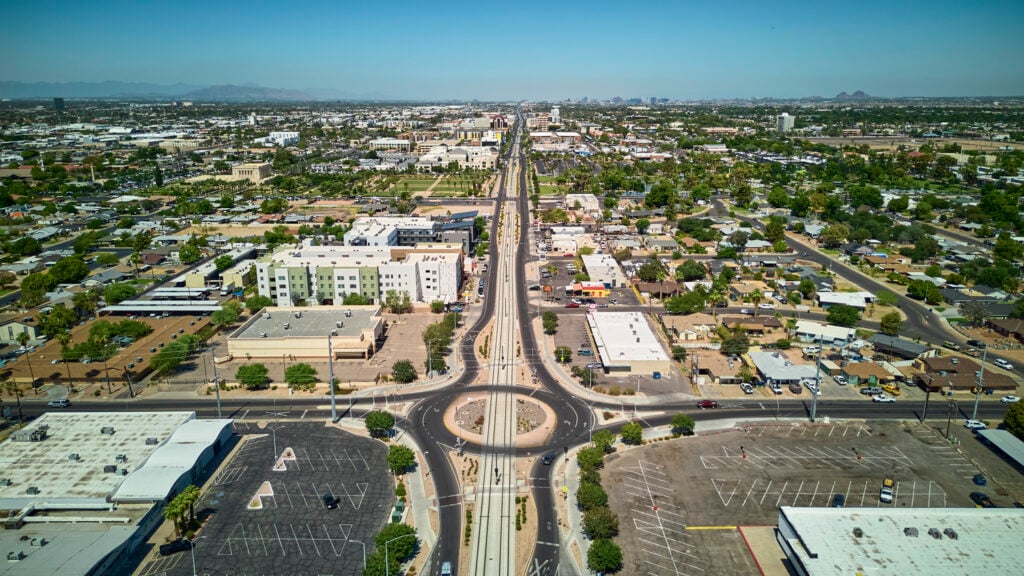
Rather than framing public transportation as a competitor to motor vehicle travel, policymakers, urban planners and transportation agencies should embrace a cooperative model that views public transportation as an essential supplement and enhancement to the overall transportation system plan. This approach enhances efficiency, reduces costs and fosters economic growth while ensuring a more sustainable and resilient multimodal transportation system for the future.
By investing in integrated solutions that support both personal and public transportation, we can create a more effective and balanced mobility network that benefits everyone with:
Safety Improvements: Based on the National Highway Traffic Safety Administration (NHTSA), on average more than 100 people die in motor vehicle crashes in the United States every day, making this a leading cause of death in the country. Integrating effective multimodal public transportation as part of the transportation system locally, regionally and nationally translates to fewer accidents, lower emergency response costs and enhanced safety for all travelers.
Traffic Congestion Reduction: Well-planned public transportation options can reduce the number of single-occupancy vehicles, easing congestion on highways and arterial roads. Having dedicated bus services using high-occupancy vehicle (HOV) lanes can reduce congestion for both public transportation riders and carpoolers. Plus, commuter rail and express bus services can remove thousands of vehicles from highways during peak hours, improving overall flow. A multimodal approach ensures travelers have reliable options, leading to less time spent in traffic and more productive time spent at work or home.
Commuter Efficiency: By providing reliable and predictable alternatives, public transportation, including express commuter bus and passenger railway, helps drivers avoid peak-hour gridlock, leading to faster overall travel times. High occupancy public transportation alternatives such as commuter rail can relieve congestion on both primary and secondary travel routes. Motorists benefit when public transportation is available as an option in case of vehicle maintenance issues, rising fuel costs or unexpected congestion leading to traffic delays.
Infrastructure Longevity: According to the American Society of Civil Engineers (ASCE) Condition and Capacity Report, wear and tear on the nation’s roadway has left nearly 50% of our public roadways in poor or mediocre condition, a number that has remained stagnant for several years. By reducing wear and tear on roads, public transportation helps extend the lifespan of critical infrastructure, lowering long-term maintenance costs.

A robust multimodal transportation system also alleviates strain on roadway infrastructure by decreasing the number of vehicle miles traveled using these assets daily. This leads to more cost effective local and state spending on road resurfacing, bridge repairs and highway expansions. The result? A more efficient allocation of transportation budgets toward long-term infrastructure improvements rather than continuous repairs.
To meet the evolving needs of commuters and communities, it’s time to rethink how we plan, fund, and implement public transportation. Rather than viewing transit as a competitor to personal vehicle travel, we must recognize its strategic role in supporting a healthier, safer, and more economically vibrant overall transportation system.
Embracing integration over isolation, we can unlock the full potential of our transportation networks. When public transportation complements rather than competes, we gain not only efficiency and safety, but also long-term economic and environmental resilience. As we look ahead, let’s prioritize investments that reflect how people actually live and travel today and design systems that support all modes, all users, and all communities. The future of transportation isn’t either/or, it’s yes/and. And that future starts with a commitment to collaboration, connectivity and common sense.
