Sustainable water solutions in the semiconductor, data center and municipal spaces are becoming a necessity to guarantee a source of water to maintain operations for efficient cooling while providing enough supply for growing communities.
However, the challenge of dealing with a byproduct stream consisting of dissolved chemicals and salts picked up throughout the life of the water’s respective journey or from the high concentration of salt in the raw incoming water is a growing concern.
Concentrating these byproducts and discharging them as a liquid waste stream via normal paths can add to the already increasing salinity in freshwater sources worldwide.
This begs the question, what should be done with this byproduct salt stream or brine?
Lessons from zero liquid discharge
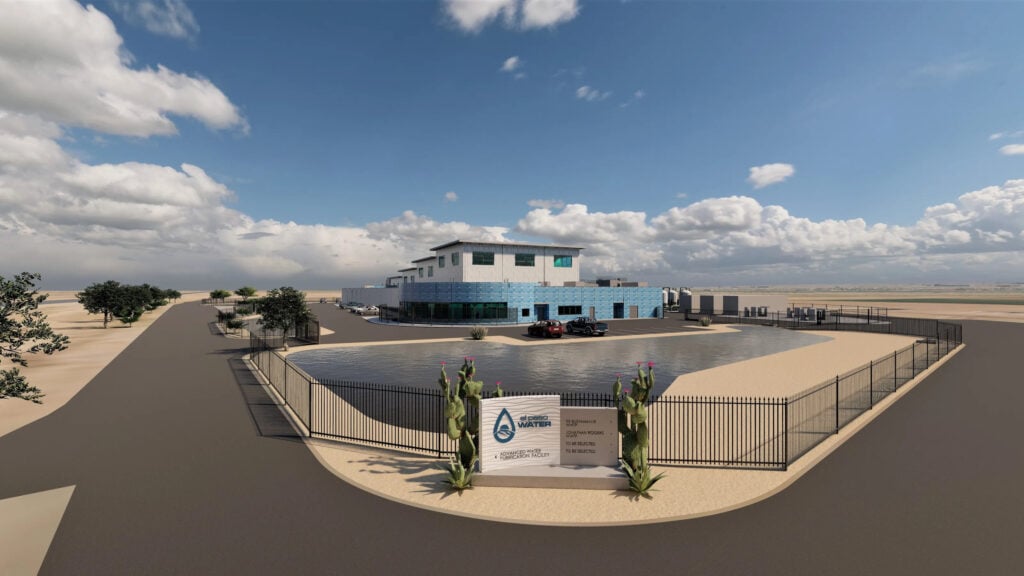
I come with an experienced perspective from my time developing a campus-wide end-of-pipe wastewater treatment and reclaim system as an employee for a semiconductor manufacturer. This large-scale industrial water reclamation project dealt with brine streams using a zero liquid discharge (ZLD) system which eliminated the liquid brine stream to drain while creating a solid salt byproduct that was disposed of in a responsible manner.
This ZLD system utilized thermal evaporators to concentrate and crystallize the dissolved salt. While effective, the system came with a significant capital investment and operating expense.
It is exciting to see new technologies and advancements in membrane solutions to more efficiently concentrate and crystallize these salts, which show promise in lowering costs and energy use.
Resource recovery and the future of brine treatment
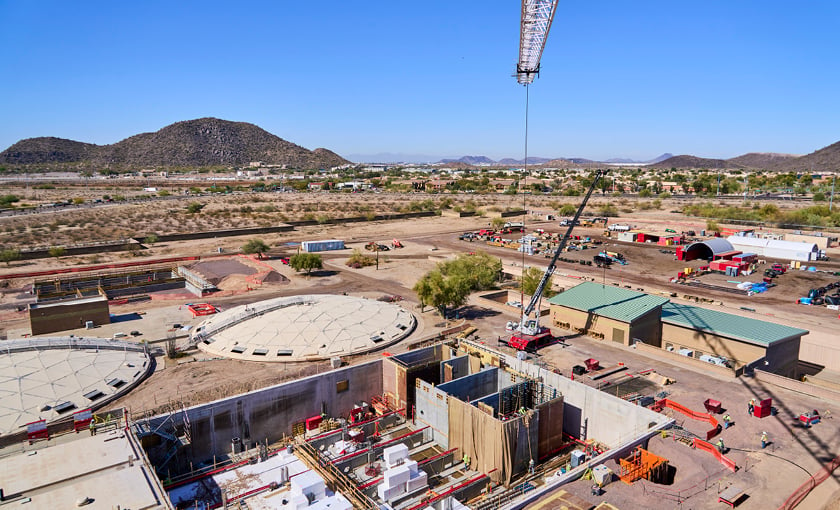
How do we get to a more sustainable option for the waste brine? Recovery of the elements that make up these salts or original high purity products used in the manufacturing process usually requires more capital and expense than simply crystallizing the entire brine stream.
Where the elements are valuable and the waste streams concentrated enough, recovery has made sense, including recovering elements like copper, cobalt, magnesium, phosphorus, and lithium.
But is there a way to recover abundant elements like sodium, calcium, or chlorine in a financially responsible and sustainable way?
Innovative approaches on this front include not recovering these elements natively but concentrating them for other benefits such as carbon capture or for secondary industrial, agricultural, or municipal uses (e.g. road salt).
Better options for complicated problems
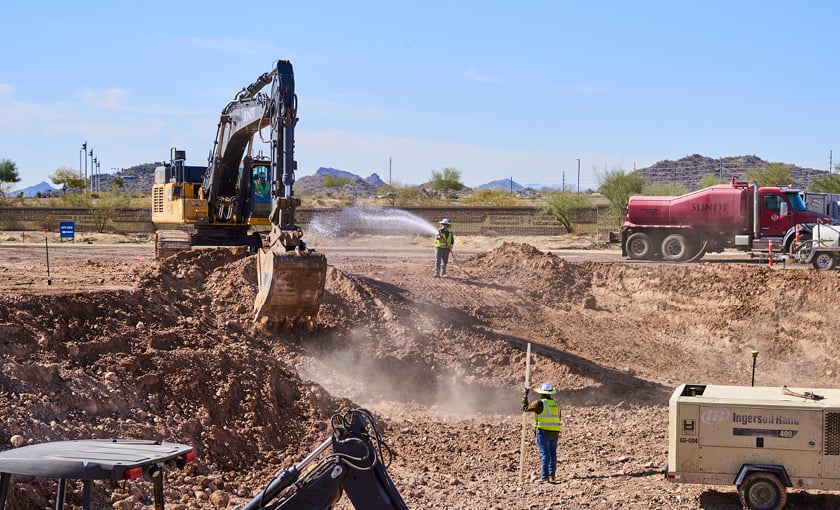
Brine stream solutions require unique approaches to fit with the specific make-up of the brine including where and how it is generated. Exciting solutions are being employed such as ZLD or resource recovery systems, but will the limited implementation of these systems move the needle on increasing freshwater salinity?
I’m confident there will be better options in the future that will make brine treatment more approachable. Perhaps this could be some novel technology or different effort that could include centralizing brine treatment and resource recovery such that the capital burden can be shared among the brine generators.
The innovation in this space could be driven by regulation and global awareness of the impact on water sustainability. This will help the semiconductor industry push for sustainable brine treatment solutions that also enable sustainable water solutions.
There isn’t one easy solution. But I am excited to see where resource recovery and other beneficial reuse efforts will advance and look forward to being a part of any brine treatment solution.
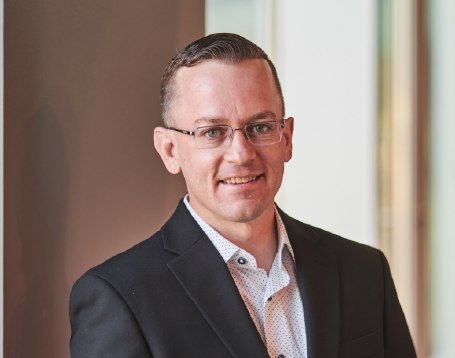
Jared Burdick spent nearly 15 years at Intel as a process engineer, leading large-scale water reclamation initiatives. Since joining Sundt in 2023 as engineering project manager, he has focused on delivering sustainable solutions for advanced facilities and municipal clients. A member of the SEMI industry organization water sustainability cohort, Jared has helped put together guidelines around semiconductor water sustainability. He is a speaker at SEMICON West 2025 on the Tactical Maturity Scales for Water Management panel.
To learn more about Sundt’s expertise in water sustainability, please contact Jared Burdick at [email protected].
About Sundt Construction
Since 1890, Sundt Construction has built with skill, grit and purpose. We’re one of the most trusted U.S. general contractors with proven expertise in water and wastewater treatment, helping clients deliver resilient plants and regulatory-ready solutions that protect vital water resources. Our work spans advanced facilities, municipal systems, and industrial upgrades. Proud to be 100% employee-owned and a two-time AGC National Construction Safety Excellence Award winner, we deliver certainty through quality, safety, and innovation.