
- 50 percent increase in overall water treatment capacity
- New granular activated carbon filters will address polyfluoroalkyl substances (PFAS) and pharmaceuticals
- Envision Platinum goal
Project Overview
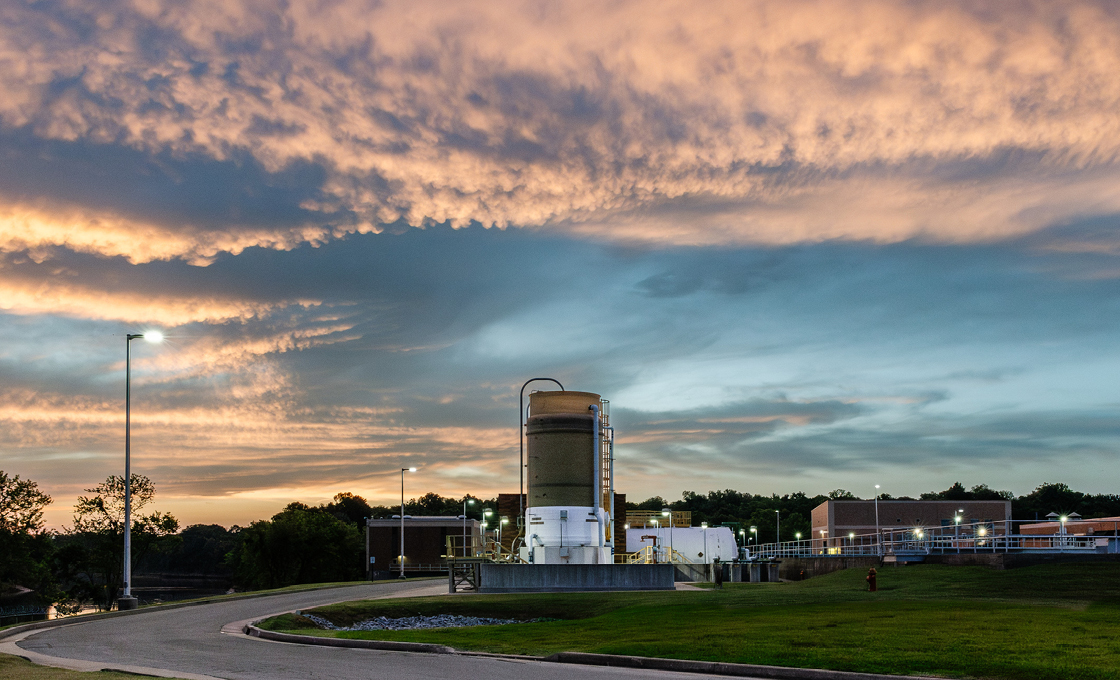
Omohundro and K.R. Harrington have been providing clean drinking water to the Nashville area since 1889 and 1978, respectively. Today, Metro Water Services provides clean and safe drinking water to approximately 191,000 residents in Davidson County and the surrounding areas through more than 3,000 miles of water mains. Once complete, the project will meet Metro’s rigorous water quality standards and continue providing safe drinking water to Nashville-area residents and visitors for another 100 years.
Because the Omohundro Water Treatment Plant is listed on the National Register of Historic Places, the larger project scope includes preservation of several historic architectural features, including brick arches, stained wood plank ceilings and green-and-white checkerboard terrazzo flooring.
Sundt is also self-performing heavy civil work consisting of excavation, grading and concrete work under two Guaranteed Maximum Price (GMP) packages for the Raw Water Pump Station and the Pretreat/Filter Building, including construction of large concrete retaining walls.
Additional work includes production blasting and material hauling off involving approximately 160,000 cubic yards of shot rock. The material is being reused at another site within five miles of the Omohundro project, supporting the project’s Envision Platinum sustainability goals.
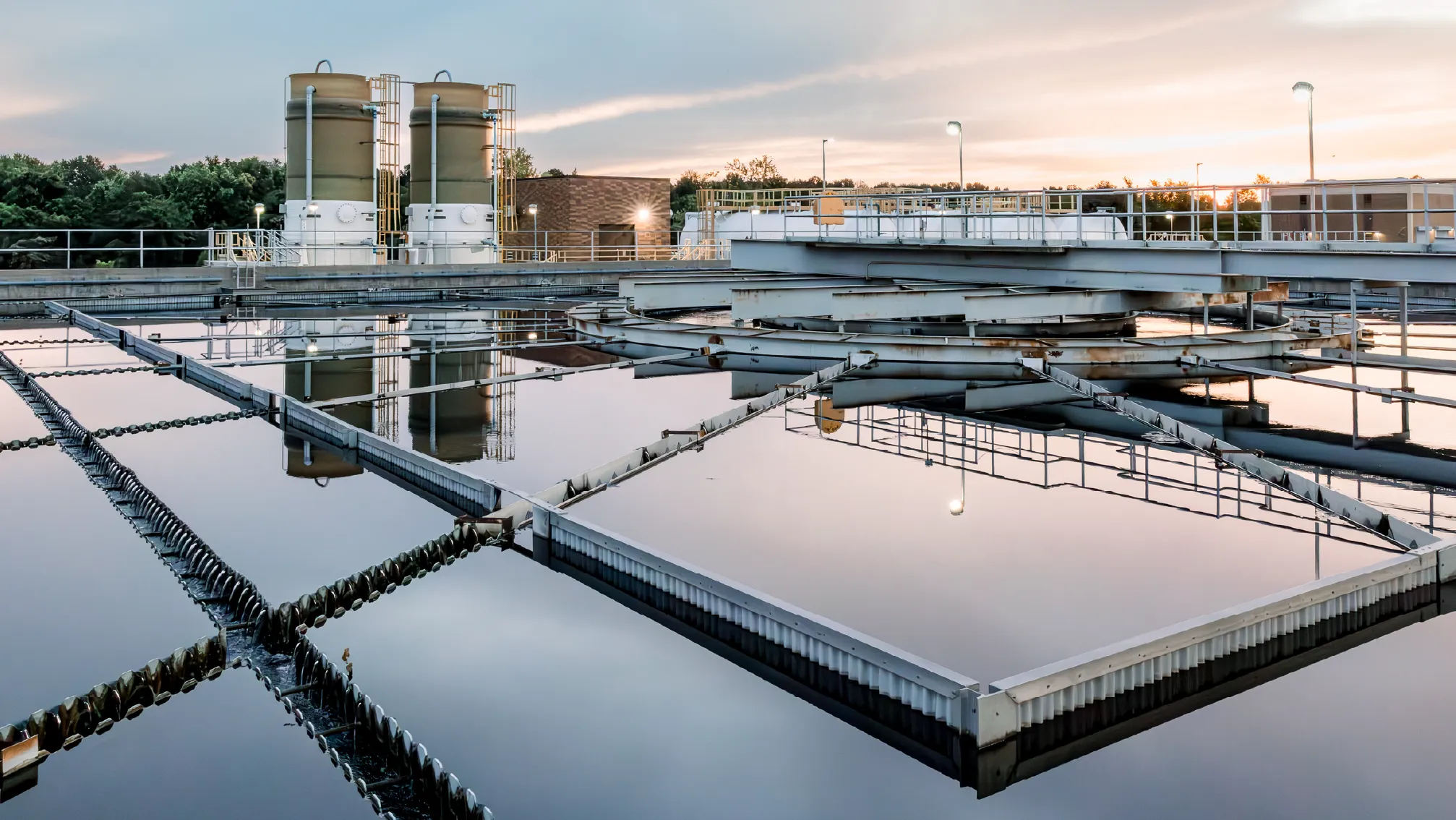
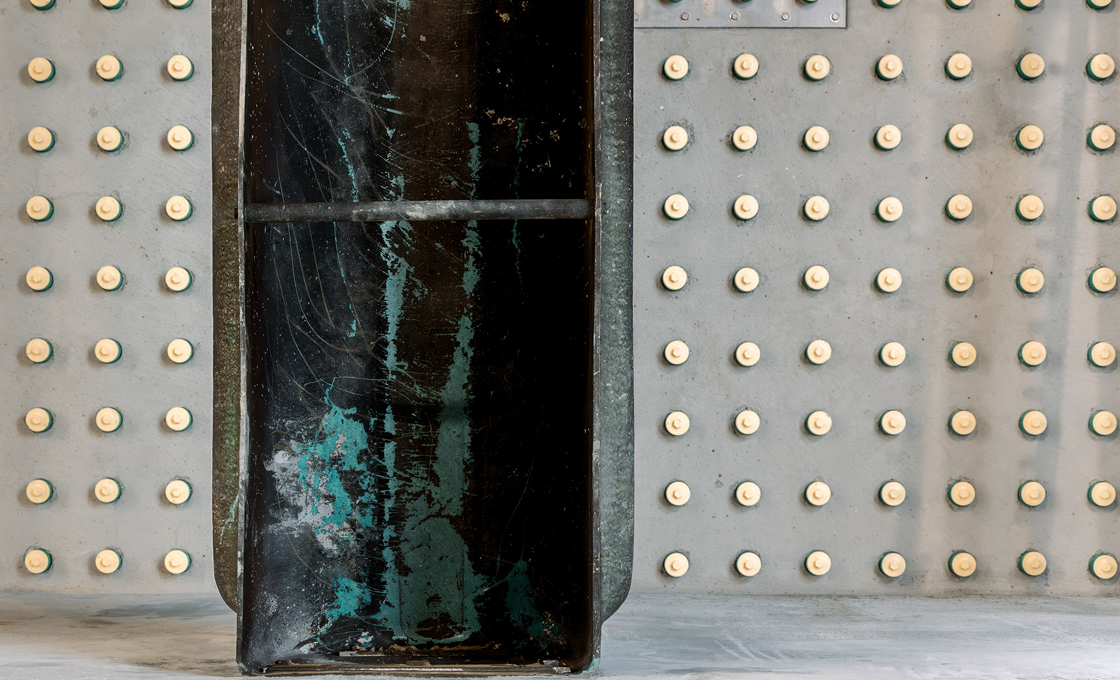
The project also includes major treatment process upgrades at the KR Harrington campus, where Sundt is resurfacing concrete walls and replacing the existing underdrain system with a new Orthos underdrain system as part of the rehabilitation of 18 filters. To maintain continuous plant operations, no more than three filters were taken offline at a time. The scope includes draining the filters, removing the media, placing a new concrete slab and installing the Orthos system. The team ensured there was no disruption to Metro Water Services customers and completed the filter rehabilitation work five months ahead of schedule. As a result of the improvements, the filters now have longer run times, and the plant’s treatment capacity increased from 90 million gallons per day to 112 million gallons per day.